
Blog
What Property Leaders Really Say About Guardianship Properties
(When You Meet Them Face-to-Face)
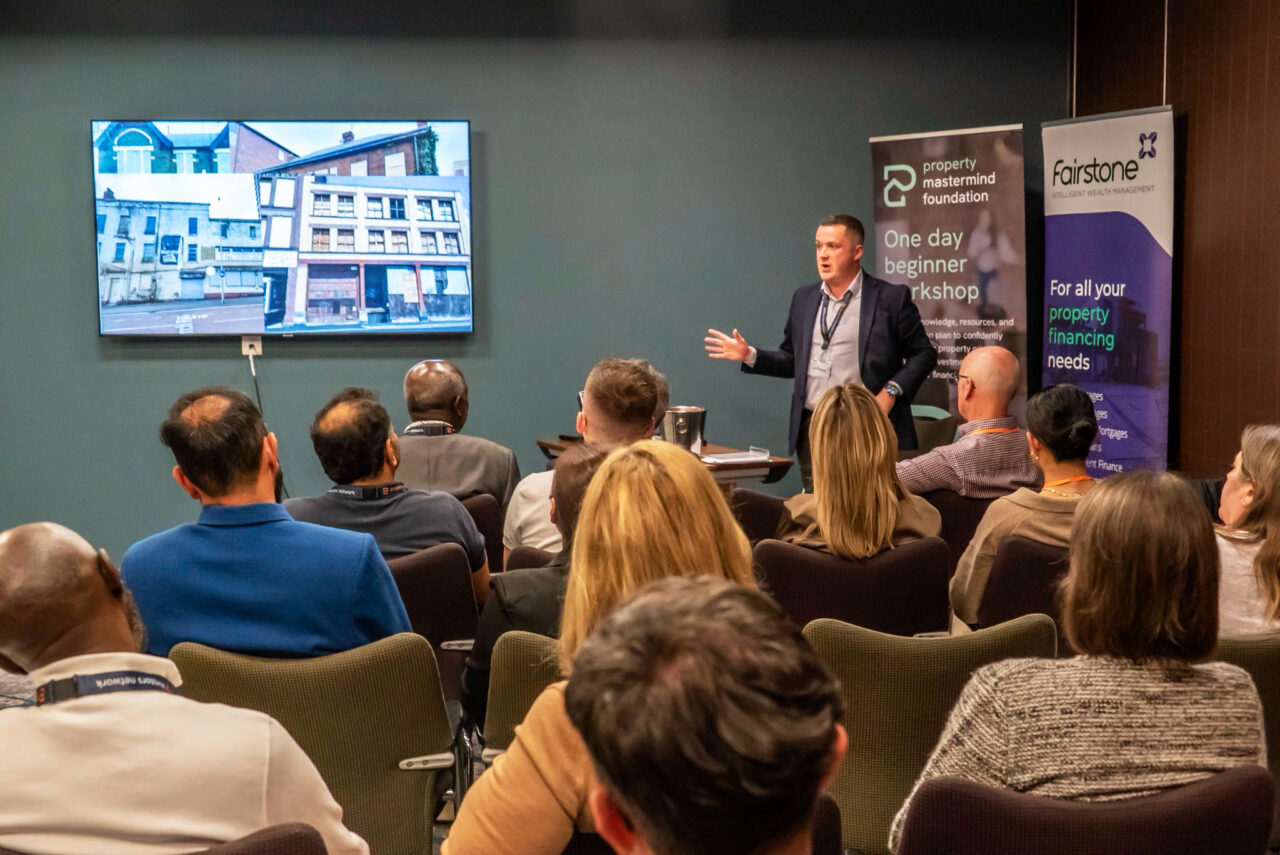
Picture the scene: a busy property networking event. Conversations are sharp, time is limited, and everyone in the room knows the market inside out.
Then guardianship comes up.
There’s usually a pause. A slight lean back. Then the question:
Wait… isn’t that just moving in squatters?
It’s one of those models most people have heard of, but few have had properly explained. And in a market where buildings are sitting empty for longer, that gap in understanding starts to matter.
Because vacancy isn’t passive anymore. It carries cost, risk, and in some cases, reputational pressure.
The reactions you tend to get
After enough of these conversations, you start to notice a pattern. Most people fall into a few broad camps.
The sceptic
Isn’t this a bit of a grey area?
This is usually the first hurdle.
There’s an assumption that guardianship is loosely controlled or higher risk than other options. In reality, it’s a structured arrangement with responsibly vetted occupants and clear agreements in place.
What changes the conversation is understanding that this isn’t about filling space for the sake of it. It’s about keeping a building active and managed while it would otherwise sit empty, doing nothing but attracting unwanted attention of squatters, thieves and other anti-social activity.
The cost-focused
What does this actually do for us financially?
For commercial owners in particular, the conversation often moves quickly to numbers.
When a building is empty for 12 to 18 months, traditional security costs start to add up. What tends to land is the idea that this isn’t just about reducing spend, but about using the asset differently during that period.
In one recent conversation, a developer worked out that a seven-month delay on a vacant site had cost them in the region of £35,000 in missed savings and income.
That’s usually the point where it starts to feel more relevant.
The social impact lens
This actually helps solve something bigger, doesn’t it?
You hear this more from local authorities and housing providers, but it comes up elsewhere too.
With so many buildings sitting empty across the UK, there’s a growing awareness that unused space could be doing something more. Guardianship starts to come into the conversation as a way of bringing buildings back into use, even if only temporarily.
For some, that’s a secondary benefit. For others, it’s a key part of the appeal.
The cautious
We’ve looked at it before.
This group tends to be more measured.
They’re aware of guardianship but haven’t taken it further. That might be down to timing, internal priorities, or simply not having enough clarity on how it would work in practice.
These conversations aren’t closed off. They just take a bit more time. More detail, more context, and a clearer sense of how it would apply to a specific building or portfolio.
When the conversation shifts
At some point, the tone usually changes.
It moves from “What is this?” to “How would this actually work for us?”
That shift can happen quite quickly once the model is explained properly and the initial assumptions fall away.
Most of the hesitation isn’t fixed. It’s just a lack of detail.
The six-month reality
One thing that comes up a lot is timing.
There’s a common assumption that guardianship only makes sense for buildings that are going to sit empty for a long time. In practice, it often starts to make sense much earlier than that.
The average time to exchange on a commercial property is around eight months. But many owners still plan on the basis that something will happen much sooner.
That gap is where costs build up and buildings sit inactive.
The portfolios that tend to get the most value from guardianship are the ones that consider it early, rather than waiting until a building has already been empty for some time.
Why the provider matters
The model itself is only part of the picture. How it’s delivered makes a big difference.
Approaches vary across the market, and that’s often where some of the hesitation comes from.
What most property teams are looking for is straightforward: a clear process, consistent management, and confidence that the building is being looked after properly.
That usually includes meeting guardians in person, having regular communication in place, and making sure there’s a clear legal and operational structure behind it.
At the end of the day, it’s about maintaining control of the asset while it’s in a temporary phase.
A shift that’s starting to happen
What’s interesting is that this isn’t really about awareness anymore.
Most people know empty buildings are an issue. The shift is in understanding that there are different ways to deal with that period of vacancy.
Guardianship is starting to come into those conversations more often. Not as a niche idea, but as one of the options on the table.
Exploring whether it fits
Every building is different, and it doesn’t work in every situation.
That’s usually where a proper conversation is useful. Looking at a portfolio, understanding timelines, and working out where it might make sense, and where it doesn’t.
We run informal “Lunch and Learn” sessions with property teams to do exactly that. No hard sell, just a chance to go through how it works and apply it to real scenarios.
If it fits, it becomes obvious fairly quickly. If it doesn’t, that’s useful to know too.
Leaving buildings empty has become an increasingly expensive and visible choice.
It’s worth understanding the alternatives. There’s also been a 235% increase in squatting from the previous year – we are putting our stake in the ground to help protect our clients’ empty Commercial buildings right from the beginning of vacancy.

Ready to Explore Property Guardianship?
If these considerations resonate with you and you’re thinking about using property guardianship, speak with one of our expert team. At VPS Guardians, we can assess your building, advise on the right approach, and connect you with suitable guardians to protect your asset, reduce risks, and maintain control.
Get in touch today to discuss how property guardianship could work for your property.